

Rockstar Billy Idol Is Opening Up About Fatal Overdose in New Documentary
Billy Idol built his legend on attitude, leather, and loud guitars. The pop icon, now 70, became one of the defining looks of the 1980s rock world. Hits like “Rebel Yell,” “White Wedding,” and “Eyes Without a Face” turned him into a global star and a permanent face of MTV. Behind that fame sat a life spinning close to disaster.
Now, the 70-year-old rocker is looking back with brutal honesty. In the new documentary “Billy Idol Should Be Dead,” Idol tells the full story of the wild years that nearly ended his life. The film premiered at the Tribeca Festival and will air on Sky Arts.
View this post on Instagram
The documentary shows a man who survived fame, addiction, and reckless choices. Idol admits that several moments could have ended his career forever. One night in 1984 came frighteningly close to doing exactly that.
The Night Billy Idol Nearly Died
He was about to appear on the famous TV show “Top of the Pops,” a moment he had dreamed about since his early punk days.
Instead of celebrating quietly, Idol reunited with old friends in London. Someone brought heroin known on the street as “Persian Brown.” The drug was extremely strong and far more dangerous than the group expected. Several people quickly drifted into a sleepy haze, but Idol kept using it long after others stopped.
The “Hot in the City” singer soon began to collapse physically. Idol recalls turning blue as his body shut down from the overdose. Friends panicked as they realized he was slipping away in front of them. They dragged him into an ice-cold bath and forced him to walk on a rooftop to keep him conscious.
The desperate tricks worked. Idol slowly came back around, stunned and exhausted but alive. Less than a day later, he still went on “Top of the Pops” and performed “Eyes Without a Face.”
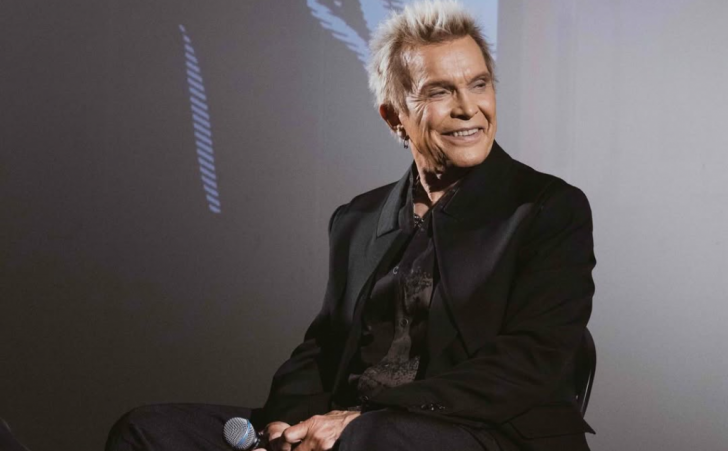
Billy / IG / The film opens with one of the most shocking stories of Idol’s career. In 1984, the “Rebel Yell” hitmaker returned to London after building momentum as a solo star in New York.
The Culture That Made Drugs Feel Normal
In “Billy Idol Should Be Dead,” the singer explains that drug use felt normal inside the rock scene of the late 1970s and early 1980s. Many musicians he admired struggled with addiction, yet their work shaped the music that inspired him. To young artists chasing authenticity, heroin seemed almost romantic.
The ‘80s pop legend points to musicians like Lou Reed, who famously wrote the song “Heroin,” as cultural influences of the era. Bands like the New York Dolls also lived openly chaotic lives fueled by drugs. Young musicians absorbed those stories and rarely focused on the danger hiding behind them.
The mindset pushed artists toward excess. Drugs were seen as a way to unlock creativity or emotional depth. Idol now admits that the warning signs were obvious, yet he ignored them at the time.
His family eventually stepped in. Idol’s father, an accountant who lived far from the music scene, flew to the United States to confront his son directly. The moment forced Idol to recognize how far his life had drifted from normal reality.

Billy / IG / The 1984 overdose was not the last time Idol brushed against death. Six years later, he faced another life-threatening moment.
The singer now describes that moment with remorse. He says he needed someone to show love beyond his music and fame. At the time, though, he was too deep in the lifestyle to see the danger clearly.
A Motorcycle Crash That Changed Everything
In 1990, the singer crashed his motorcycle in Los Angeles and shattered his leg.
The injuries were severe and required long hospital treatment. Doctors placed him on a controlled morphine drip to manage the intense pain during recovery. That medical experience created an unexpected turning point in his relationship with drugs.
More inLifestyle
-
`
 4 Reasons Why Changing Your Mind Is So Difficult
Changing your mind sounds simple. You hear new information, adjust your view, and move on. In reality, it rarely works that...
April 30, 2026 -
`
 This Ohio Destination Ticks All the Boxes for Every Foody Adventurer
Ohio might not be the first place that comes to mind when you think about global food experiences, but Chayhana in...
April 22, 2026 -
`
 Gym Membership vs. Home Gym: Which One Is Actually Worth It?
Choosing between a gym membership and a home gym feels simple at first, but it gets complicated fast. Money plays a...
April 16, 2026 -
`
 How a Texas Town Is Redefining Housing for the Vulnerable
A large housing initiative in Ferris, Texas, is drawing attention for its focused approach to homelessness in North Texas. Located about...
April 9, 2026 -
`
 How an Unfamiliar Mind Shapes Perception, Relationships, and Daily Life
Moments often pass without notice, leaving a quiet question behind: Where did the time go? The concept of a beginner’s mind...
April 3, 2026 -
`
 Why These Popular Colorado Food Spots Are Worth a Visit!
Colorado makes it easy to plan an entire day around food. The state serves bold flavors, strange themes, and dining rooms...
March 27, 2026 -
`
 Why Saranac Lake’s Iconic Ice Palace Was Canceled This Year
For more than a century, winter in Saranac Lake meant one thing above all else. The Ice Palace rose from the...
March 13, 2026 -
`
 How to Manage Overwhelming Emotions? A Step-by-Step Guide
When your feelings feel too big to handle, it can be scary and confusing. Intense waves of rage, panic, grief, or...
March 7, 2026 -
`
 5 Reasons Why Japan Is a Must-Visit Destination for Alaskans
For many Alaskans, Japan feels far away on the map. The flight is long, and the culture seems worlds apart. Yet...
February 26, 2026
More From MilitaryBud
-
 Here’s What Philosophy Has to Say About Making Difficult Decisions
Some decisions barely deserve a second thought. You pick a restaurant, choose a movie, or decide what to wear, and life...
Open Your MindSeptember 15, 2026 -
 The 2026 US Open Menu Is Packed With French Dips, Caviar Nuggets and the Honey Deuce: A Closer Look
The 2026 US Open is already giving New York another packed summer of tennis, noise, celebrity sightings, and late-night matches. The...
Food AdventuresSeptember 11, 2026 -
 U.S. Consumers Shift Spending Amid ‘K-shaped’ Economy
American consumers have not stopped spending, but they are becoming far more selective about where their money goes. Behind that change...
LifestyleSeptember 3, 2026 -
 Wendy’s Worker Asked to Eat on a Stranger’s Porch – It Changed Both Their Lives
A Wendy’s worker needed somewhere quiet to eat lunch after a rough day. A Florida homeowner gave her permission to sit...
CommunityAugust 26, 2026 -
 2026 AM/NS India Times Critical Thinking Championship Aims to Equip 1 Million Students with Essential 21st-Century Skills
Knowing the right answer matters in school, but knowing how to reach that answer matters even more. The AM/NS India Times...
Open Your MindAugust 20, 2026
You must be logged in to post a comment Login