For many Alaskans, Japan feels far away on the map. The flight is long, and the culture seems worlds apart. Yet once you arrive, something clicks. Japan feels different, but not distant.
There is a quiet link between the North Pacific neighbors. Alaska and Japan share fishing towns, rugged coastlines, and deep respect for nature. The trip is not just a vacation. It feels like stepping into another version of the north, shaped by centuries of tradition and sharpened by modern precision.
Ancient Traditions, Modern Precision
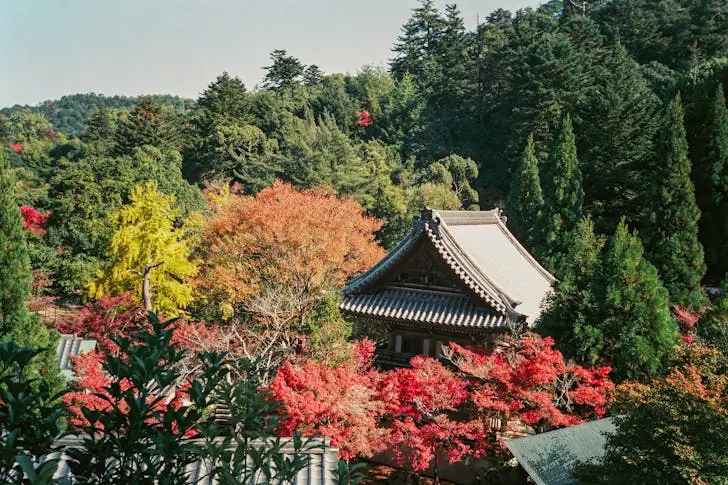
Vendors line Nakamise Street, selling rice crackers and sweet treats that have been made the same way for generations. The city hums around you, yet inside the temple grounds, time slows down.
A short ride away, Meiji Shrine sits inside a thick forest in the middle of the capital. Couples in formal kimonos sometimes pass quietly through the courtyard during Shinto wedding ceremonies. The calm feels real and grounded. You do not just look at history in Japan. You stand inside it.
Museums and historic sites deepen that connection. The Tokyo National Museum displays samurai armor, delicate scrolls, and ancient pottery that survived centuries. At Nihon Minka-en, old Edo-period farmhouses sit in an open-air park, showing how families once lived and worked. These places make history feel solid and close, not locked behind glass.
A Train System That Makes Alaska’s Highways Look Slow
Alaskans understand distance. You measure road trips in hours and weather reports. In Japan, distance feels different because the trains run like clockwork.
The Shinkansen, known as the bullet train, connects major cities at speeds that reach about 200 miles per hour. You can eat breakfast in Tokyo and have lunch in Kyoto without feeling rushed. The ride is smooth and quiet, and the seats are comfortable. Travel becomes part of the experience, not a hurdle to clear.
For longer stays, the Japan Rail Pass can save serious money. It allows unlimited travel on most Japan Railways lines for a set number of days. If you plan to move between cities, the savings add up fast. It also removes the stress of buying individual tickets each time.
Navigation is simple even for first-time visitors. Major stations use clear English signs, and announcements are made in English. IC cards like Suica or Pasmo work like prepaid transit cards. You tap in, tap out, and move on with your day.
Shared Northern Roots Across the Pacific
The connection between Alaska and Japan runs deeper than tourism. It shows up in personal stories and coastal towns shaped by the sea.
For more than 30 years, Shingo Takazawa from Gunma Prefecture has traveled to the Inupiaq village of Point Hope, Alaska. Inspired by explorer Naomi Uemura, he built strong bonds with the community and helped with whaling traditions. Locals gave him the nickname Mikigaq for his help preparing fermented whale meat. His life bridges two homes across the ocean.
Hokkaido’s northern position gives it a different temperament. The sea air carries a chill that defines daily life. Hakodate’s opening to international trade in the 1800s left visible marks: European-style churches, sturdy brick warehouses, and former foreign dwellings remain woven into neighborhoods of traditional Japanese design. In a port city shaped by commerce, the architectural dialogue feels seamless.
Food That Rewards Curious Travelers
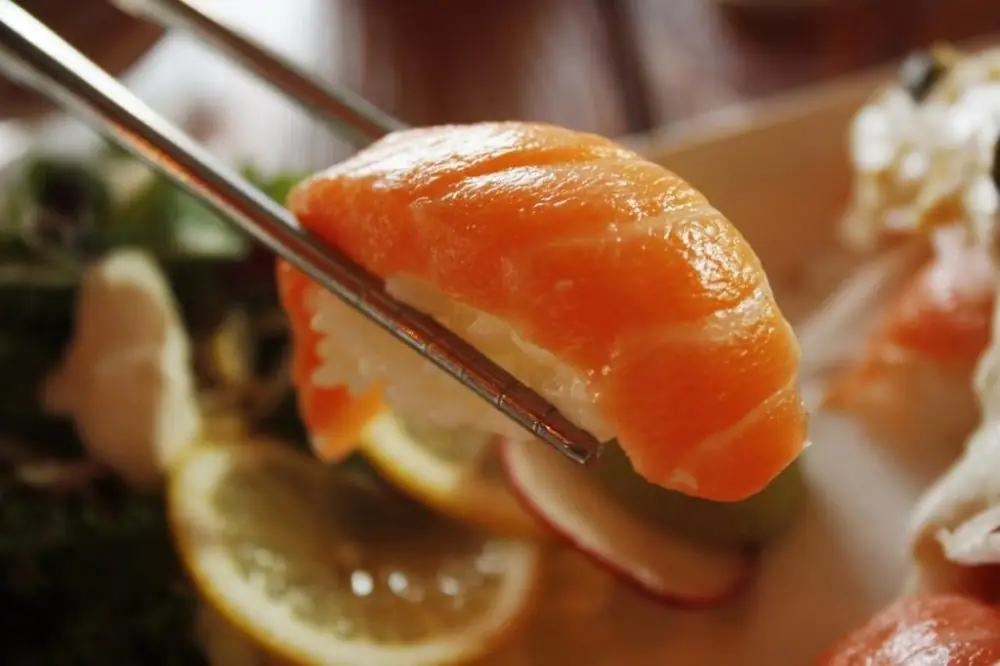
Seafood here carries a clarity of flavor that surprises first-time visitors. Tuna, scallops, and crab are displayed with almost ceremonial precision in local markets.
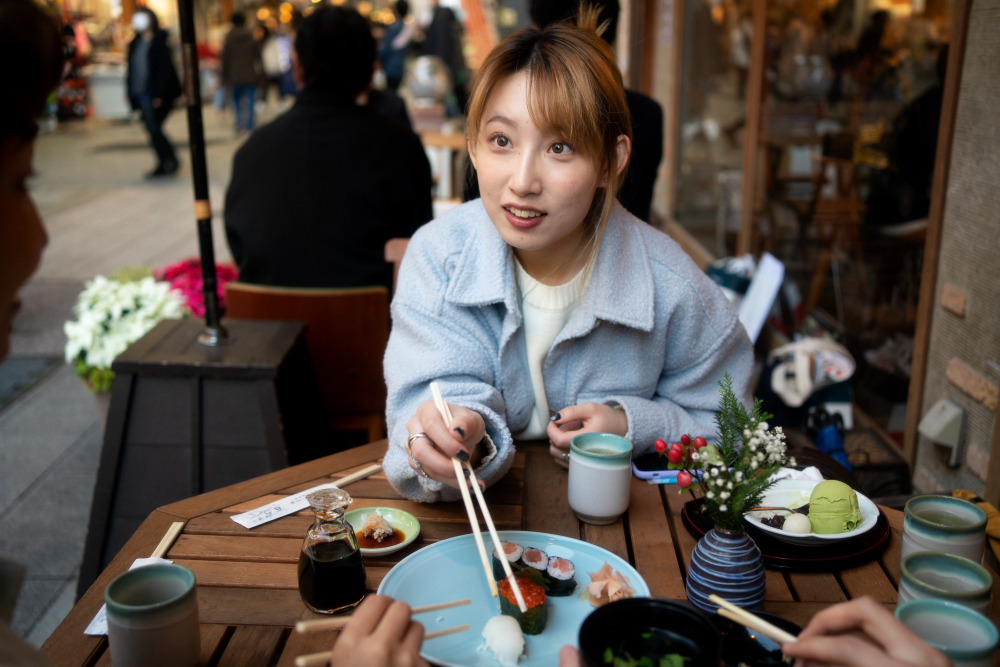
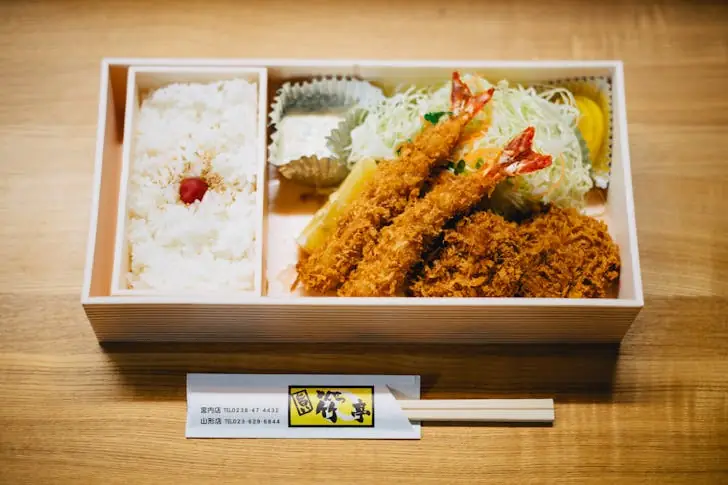
Street food offers its own pleasures. Takoyaki stuffed with tender octopus steams in paper trays. Taiyaki — crisp on the outside, soft within — comes molded in the shape of a fish. Even convenience stores turn out dependable meals at modest prices. And a straightforward bowl of ramen often tastes anything but ordinary.
Dining in Hakodate also reflects omotenashi, Japan’s deeply rooted approach to hospitality. Staff welcome guests sincerely, explain dishes carefully, and remain attentive without hovering. The experience stays with you long after the meal ends.