
How Celebrity Farms & Billionaires Turned the Cotswolds Into a Billion-dollar Lifestyle Brand
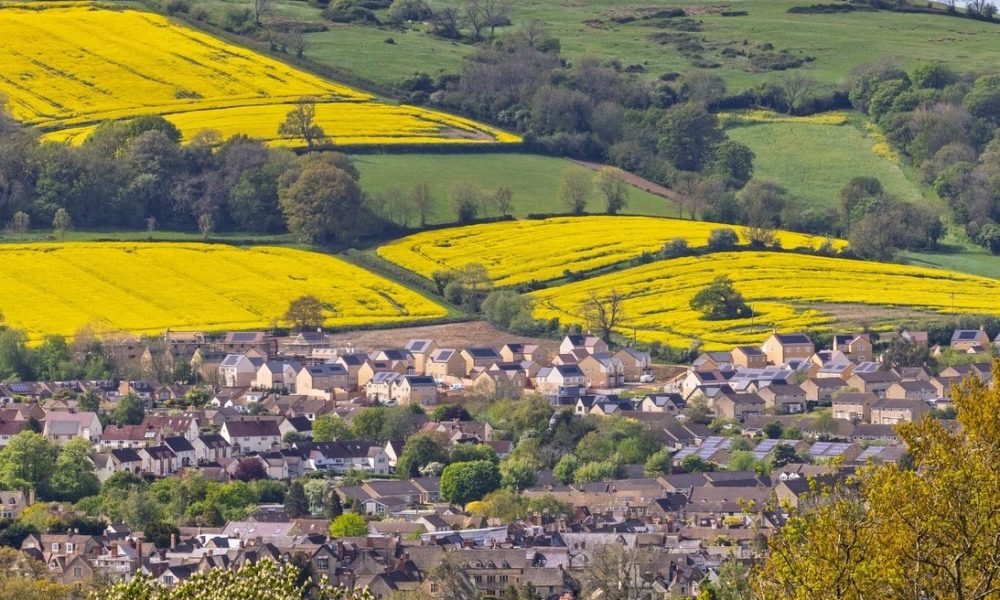
The Cotswolds used to be that quiet, scruffy place where farmers worked the land and city folks escaped for a peaceful weekend. Not anymore. This patch of rolling hills and honey-stone villages has been reborn as a global lifestyle brand, a must-have accessory for the world’s wealthy. It is now routinely called the “Hamptons of England,” a title that signals its shift from a sleepy rural retreat to a playground for the international elite.
However, this transformation didn’t happen by accident. It is the result of a perfect storm involving reality television, exclusive private clubs, and a surge of American money. The area now attracts around 19 million visitors a year, pumping over 1.5 billion pounds into the local economy. But this newfound fame comes at a steep price for the people who actually call the Cotswolds home.
The Celebrity and Club Effect
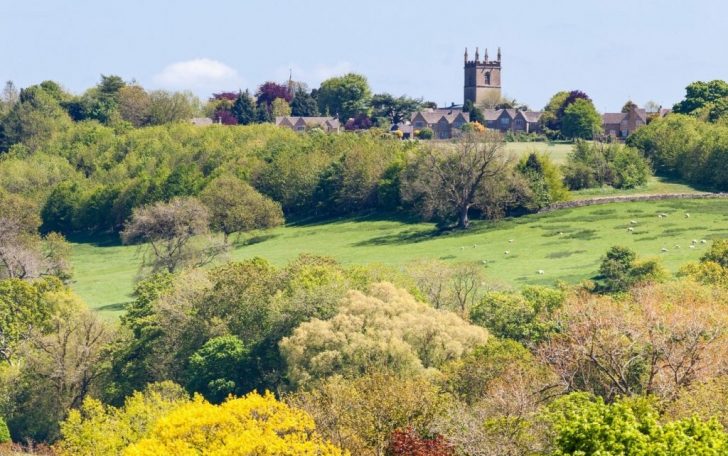
Cotswolds / IG / The Amazon series “Clarkson’s Farm” turned farmer Jeremy Clarkson into an unlikely tourism magnet, with his Diddly Squat Farm shop drawing hundreds of visitors daily.
This celebrity-driven attention has been amplified by high-profile figures like David and Victoria Beckham, and even US Vice President JD Vance, who spent a holiday there.
At the same time, a new breed of private members’ clubs has redefined the rural experience. Places like Soho Farmhouse, Estelle Manor, and The Club by Bamford at Daylesford offer five-star amenities that attract a younger, more international crowd. They have effectively created a “countryside version of London life,” complete with Michelin-starred dining, padel courts, and luxury spas. This has made the Cotswolds a destination where wealthy buyers now seek high-spec, design-led properties, not just quaint weekend cottages.
The American Invasion of the Property Market
The Cotswolds has become a prime target for international wealth, particularly from the United States. A law firm recently noted a significant rise in its caseload of American citizens seeking property in the region. For many American buyers, the Cotswolds represents a legacy investment and a safe, beautiful location with easy access to London.
This demand has reshaped the housing market. Estate agents report that properties near popular clubs like Soho Farmhouse can command a premium of up to 10%. This influx of cash is pricing out the very people who have lived and worked in these villages for generations. The gap between average salaries and house prices in the Cotswolds is now one of the largest in England outside of London.
Tourists Outnumber Residents by the Thousands
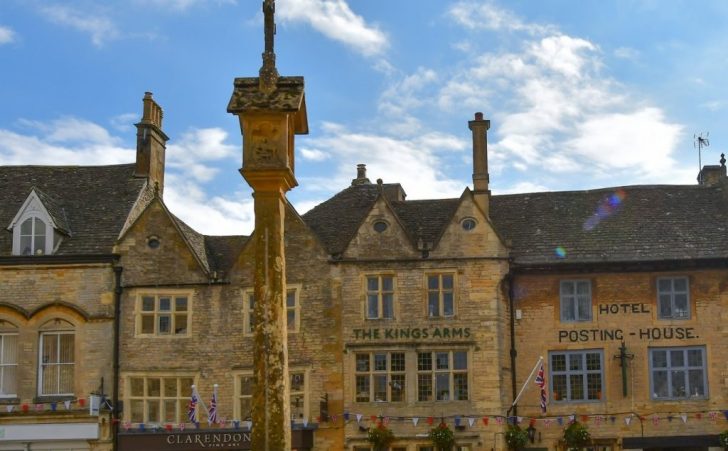
Cotswolds / IG / Bourton-on-the-Water, known as the “Venice of the Cotswolds,” receives hundreds of thousands of tourists each year, despite having only about 1,000 residents.
The phenomenon has become so severe that locals and officials are using the word “Disneyfication” to describe the transformation.
Residents have complained about tourists entering their gardens to take the perfect Instagram shot, causing daily gridlock on narrow village lanes. The constant pressure has led to calls for radical action, including a proposed ban on coaches in Bourton-on-the-Water to manage the chaos. The fundamental tension is that the very peace and authenticity that attract tourists are being destroyed by the crowds.
The situation in Chipping Norton, the town synonymous with “Clarkson’s Farm,” has become a case study in the dark side of the Cotswolds brand. Estate agents have seen the number of homes for sale double in just two years, as locals flee the area. One agent bluntly stated, “No one from Chipping Norton lives in Chipping Norton”.
Residents blame the “Clarkson effect” and the arrival of wealthy Londoners who can outbid them for housing. The locals are frustrated by the lack of infrastructure to cope with the population surge. Complaints about overwhelmed roads, a lack of school places, and an under-resourced hospital are common. A single primary school catchment area cannot handle the demand, forcing some children to travel to schools half an hour away.
More inLifestyle
-
`
 This Ohio Destination Ticks All the Boxes for Every Foody Adventurer
Ohio might not be the first place that comes to mind when you think about global food experiences, but Chayhana in...
April 22, 2026 -
`
 Gym Membership vs. Home Gym: Which One Is Actually Worth It?
Choosing between a gym membership and a home gym feels simple at first, but it gets complicated fast. Money plays a...
April 16, 2026 -
`
 How a Texas Town Is Redefining Housing for the Vulnerable
A large housing initiative in Ferris, Texas, is drawing attention for its focused approach to homelessness in North Texas. Located about...
April 9, 2026 -
`
 How an Unfamiliar Mind Shapes Perception, Relationships, and Daily Life
Moments often pass without notice, leaving a quiet question behind: Where did the time go? The concept of a beginner’s mind...
April 3, 2026 -
`
 Why These Popular Colorado Food Spots Are Worth a Visit!
Colorado makes it easy to plan an entire day around food. The state serves bold flavors, strange themes, and dining rooms...
March 27, 2026 -
`
 Rockstar Billy Idol Is Opening Up About Fatal Overdose in New Documentary
Billy Idol built his legend on attitude, leather, and loud guitars. The pop icon, now 70, became one of the defining...
March 19, 2026 -
`
 Why Saranac Lake’s Iconic Ice Palace Was Canceled This Year
For more than a century, winter in Saranac Lake meant one thing above all else. The Ice Palace rose from the...
March 13, 2026 -
`
 How to Manage Overwhelming Emotions? A Step-by-Step Guide
When your feelings feel too big to handle, it can be scary and confusing. Intense waves of rage, panic, grief, or...
March 7, 2026 -
`
 5 Reasons Why Japan Is a Must-Visit Destination for Alaskans
For many Alaskans, Japan feels far away on the map. The flight is long, and the culture seems worlds apart. Yet...
February 26, 2026
More From MilitaryBud
-
 Here’s What Philosophy Has to Say About Making Difficult Decisions
Some decisions barely deserve a second thought. You pick a restaurant, choose a movie, or decide what to wear, and life...
Open Your MindSeptember 15, 2026 -
 The 2026 US Open Menu Is Packed With French Dips, Caviar Nuggets and the Honey Deuce: A Closer Look
The 2026 US Open is already giving New York another packed summer of tennis, noise, celebrity sightings, and late-night matches. The...
Food AdventuresSeptember 11, 2026 -
 U.S. Consumers Shift Spending Amid ‘K-shaped’ Economy
American consumers have not stopped spending, but they are becoming far more selective about where their money goes. Behind that change...
LifestyleSeptember 3, 2026 -
 Wendy’s Worker Asked to Eat on a Stranger’s Porch – It Changed Both Their Lives
A Wendy’s worker needed somewhere quiet to eat lunch after a rough day. A Florida homeowner gave her permission to sit...
CommunityAugust 26, 2026 -
 2026 AM/NS India Times Critical Thinking Championship Aims to Equip 1 Million Students with Essential 21st-Century Skills
Knowing the right answer matters in school, but knowing how to reach that answer matters even more. The AM/NS India Times...
Open Your MindAugust 20, 2026
You must be logged in to post a comment Login