

All the Reasons Why Darjeeling Tea, the “Champagne of Teas,” is So Popular Around the World
Few teas enjoy the kind of reputation that Darjeeling Tea has earned. Grown in the hills of India’s eastern Himalayas, this famous tea has attracted loyal fans for generations. Tea experts praise it. Collectors seek it out. Casual tea drinkers often remember their first sip.
Darjeeling Tea is widely known as the “Champagne of Teas,” and that title is not just clever marketing. It reflects a rare combination of geography, craftsmanship, history, and legal protection. Much like Champagne from France, authentic Darjeeling Tea comes from one specific region and carries a flavor that cannot be copied elsewhere.
So, what makes this tea so special? The answer lies in the hills, the climate, the harvest seasons, and the people who have shaped its story for nearly two centuries.
The Flavor That Stands Apart From Every Other Tea
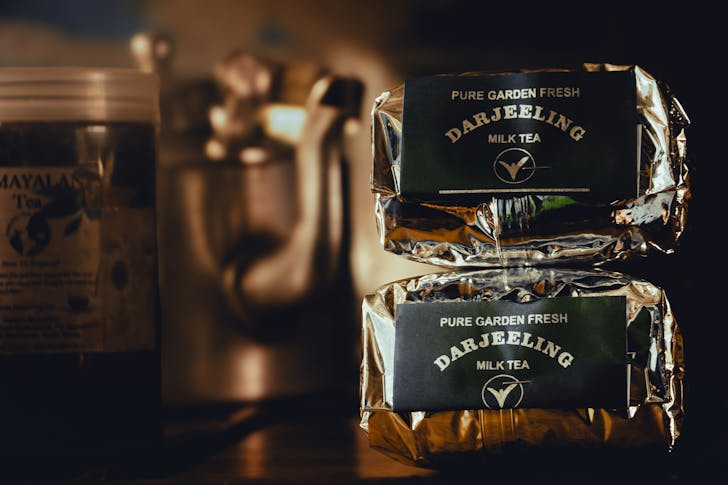
Karim / Pexels / The first thing people notice about Darjeeling Tea is its flavor. It does not hit the palate with the heavy maltiness of Assam tea or the smoky notes found in some Chinese teas.
Instead, it offers a lighter, more layered experience.
Many tea lovers describe its signature taste as muscatel. The term refers to a sweet, fruity character that resembles Muscat grapes. Alongside those notes, drinkers often detect hints of flowers, spice, fresh fruit, and even a touch of nuttiness. The flavor changes with each harvest, making every cup feel a little different.
This complexity keeps people coming back. A single sip can reveal several flavors at once, creating a drinking experience that feels refined without being overwhelming.
That balance between delicacy and depth has helped Darjeeling earn a place among the world’s most respected origin teas.
The Himalayan Environment Creates Something Unique
Darjeeling’s location plays a huge role in its popularity. The tea gardens sit on steep mountain slopes at elevations ranging from around 600 to more than 2,000 meters above sea level.
These hills receive cool mountain air, frequent mist, generous rainfall, and plenty of sunshine. Together, these conditions slow the growth of the tea plants. Slower growth allows the leaves to develop more concentrated aromas and flavors.
Tea experts often use the word “terroir” when discussing products shaped by their environment. Wine lovers know the term well, but it applies perfectly to Darjeeling Tea as well.
The soil, altitude, climate, and landscape all leave their mark on the final cup. Even when growers plant the same tea variety elsewhere, the resulting tea rarely captures the same character found in Darjeeling’s mountain gardens.
There’s a Fascinating History Behind Every Cup
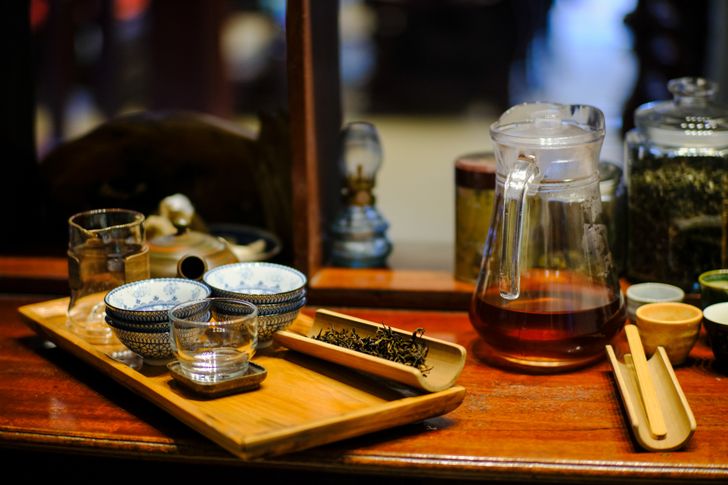
Havan / Pexels / Darjeeling was not always a tea-growing region. Its transformation began in the early nineteenth century when British administrators started experimenting with tea cultivation in the Himalayan foothills.
One of the key figures in this story was Dr. Archibald Campbell, who introduced Chinese tea seeds to the area in 1841. His early efforts showed that the local environment was ideal for growing high-quality tea.
The industry expanded rapidly after that. British interests were determined to reduce their dependence on Chinese tea imports and establish a strong tea industry in India.
The region’s success was helped by the introduction of superior tea plants brought from China. Over time, Darjeeling developed a reputation for producing teas unlike any others in the world.
In 2004, Darjeeling became the first Indian product to receive Geographical Indication (GI) status. This designation protects the identity and ensures that only tea grown in approved gardens within the Darjeeling district can be sold as genuine Darjeeling Tea.
The comparison with Champagne becomes especially clear here. Just as only sparkling wine from France’s Champagne region can legally use that name, authentic Darjeeling Tea must come from its designated place of origin.
More inFood Adventures
-
`
 How You Can Find Love in Ireland’s Century-Old Singles Festival
If dating apps have drained your energy, you are not alone. Swiping, ghosting, and forced small talk can make love feel...
January 24, 2026 -
`
 This Unique, Pacifist Ethiopian Community is Preaching Peace Amid the Amhara Conflict
High in Ethiopia’s Amhara highlands sits Arwa Amba, a village that runs on calm when chaos surrounds it. About 500 to...
January 17, 2026 -
`
 How to Remain Calm in Anxious Times? A 3-Step Framework That Always Works
Anxiety shows up fast. Your chest tightens, and your thoughts race. The world feels loud and heavy all at once. When...
January 11, 2026 -
`
 Oreo Introduces 9 New Holiday Flavor Varieties Just in Time
The holidays are louder, sweeter, and way more fun when cookies get involved. This year, Oreo is making this holiday season...
January 2, 2026 -
`
 Greece is the Best Country to Retire in 2026, Latest Retirement Index Reveals
Greece just pulled off a quiet upset. According to the 2026 Annual Global Retirement Index, it now ranks as the best...
December 26, 2025 -
`
 President Trump’s Operation Metro Surge Begins in Minneapolis and St. Paul
Operation Metro Surge rolled into Minneapolis and St. Paul during the first week of December 2025. ICE brought in about one...
December 18, 2025 -
`
 Psychologist vs. Psychiatrist: Which One Should You Choose?
Choosing the right mental health professional can feel confusing. The names sound similar, but the roles are very different. Once you...
December 13, 2025 -
`
 Here’s Why Adventurous Travelers Love Indonesia’s Remote Islands
Indonesia’s eastern frontier draws travelers who crave beauty with an edge. These islands feel untouched and full of energy, and that...
December 5, 2025 -
`
 5 Crucial Lifestyle Changes That Will Help You Slow Down Aging
Aging is natural, but you have more control than you think. Small choices add up. Your daily routine shapes how you...
November 28, 2025
More From MilitaryBud
-
 All the Reasons Why Darjeeling Tea, the “Champagne of Teas,” is So Popular Around the World
Few teas enjoy the kind of reputation that Darjeeling Tea has earned. Grown in the hills of India’s eastern Himalayas, this...
Food AdventuresJune 18, 2026 -
 How the Internet Has Given Birth to the Rising Coffee Culture? A Closer Look
Coffee is no longer just a way to wake up in the morning. It has become a lifestyle, a social activity,...
LifestyleJune 11, 2026 -
 Aledo Community Grieves a 14-YO Student Killed on His ATV the Night Before Middle School Graduation
Aledo, Texas, is grappling with an unimaginable loss after the death of 14-year-old Brayden Martin. The eighth-grade student at Aledo Middle...
CommunityJune 3, 2026 -
 Self-talk Makes You Who You Are – Be Mindful of What You Tell Yourself!
You talk to yourself all day long. Most of the time, you do not even notice it. That running voice in...
Open Your MindMay 28, 2026 -
 Food Adventures That are Too Good to Ignore in Fukuoka, Japan
Fukuoka does not mess around when it comes to food. This city feeds people with confidence, pride, and a little swagger....
Food AdventuresMay 21, 2026
You must be logged in to post a comment Login