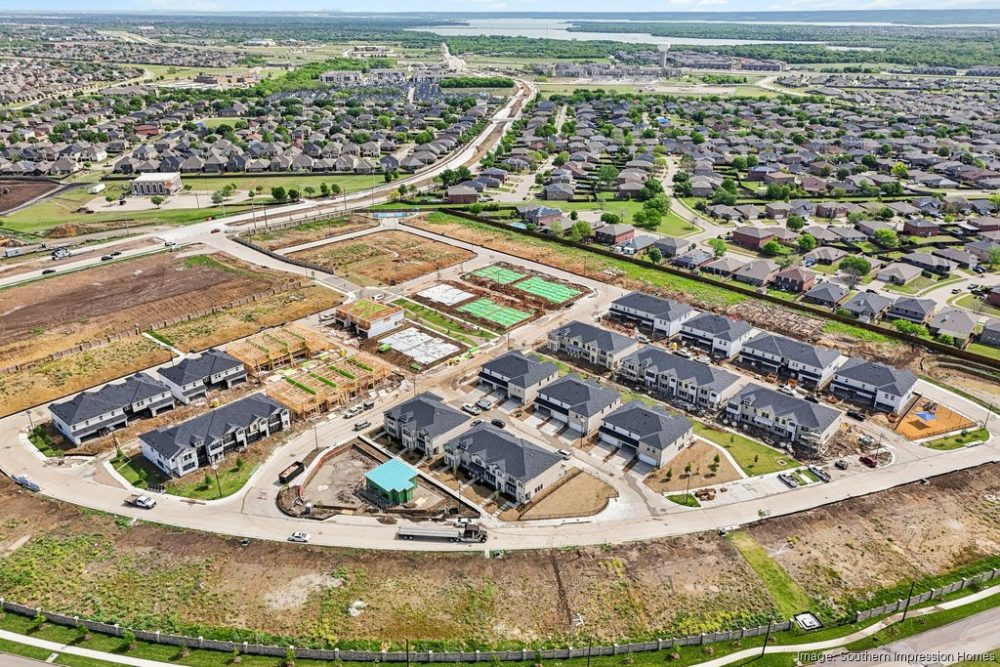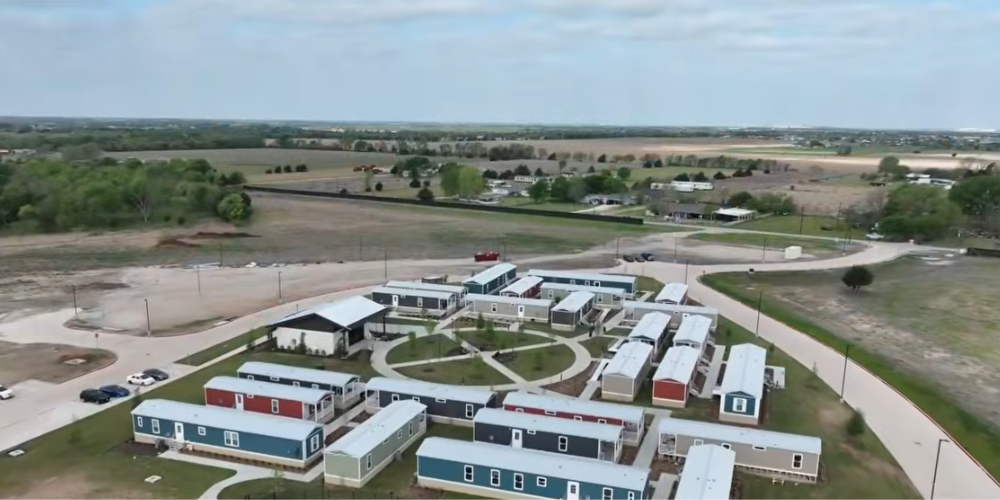
High in Ethiopia’s Amhara highlands sits Arwa Amba, a village that runs on calm when chaos surrounds it. About 500 to 600 people live here, more than 550 kilometers from Addis Ababa.
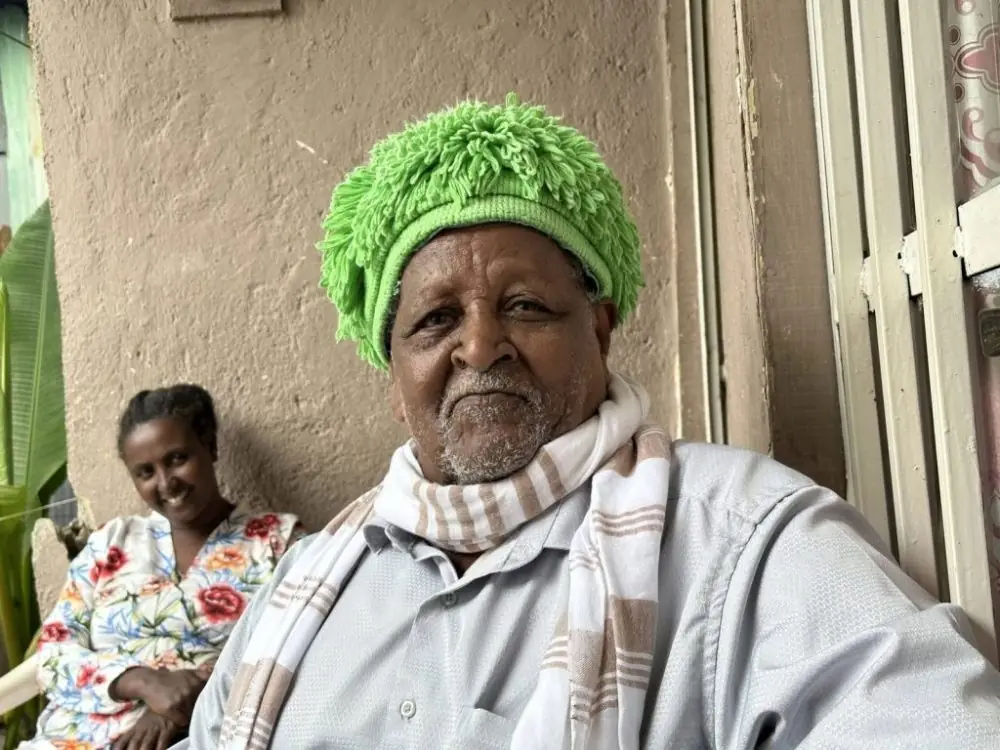
Arwa Amba was founded in the 1970s by Zumra Nuru, a man obsessed with one simple question, why should one person exploit another. That question shaped everything. Men and women share labor. Money is pooled, children are protected, and elders are cared for. Violence, insults, and power games are not welcome here.
This setup alone makes the village stand out in Ethiopia. Add in the fact that it rejects formal religion and personality worship, even of its founder, and it becomes radical. For years, it worked. Poverty dropped. Education improved. Visitors came by the thousands to see how peace looked in practice.
Then the war crept closer.
The Conflict Hits the Community Built on Peace
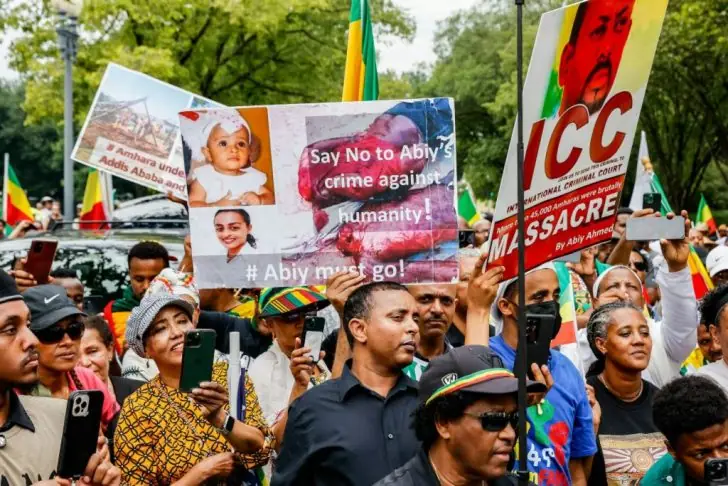
The fighting did not spare Arwa Amba. Gunfire now echoes near the village. Roads feel unsafe. Armed groups roam highways. Leaving home has become a risk.
This fear has crushed daily life. Arwa Amba survives on weaving, farming, and trade. Members once traveled freely to markets to sell textiles and buy supplies. Now they stay put. Kidnappings have become a real threat. Even Zumra Nuru’s son was targeted, with demands the community could never pay.
The visitor economy vanished almost overnight. Before the conflict, around 14,000 people visited each year. Today, that number is close to zero. A local school shut down. Internet blackouts cut off study and contact. For a place built on learning and openness, the isolation hurts deeply.
Ethiopia’s Wider Crisis Makes Survival Even Harder
What Arwa Amba faces is part of a much larger storm. Ethiopia has endured relentless conflict across several regions. The war in Tigray from 2020 to 2022 alone killed an estimated 600,000 people. Airstrikes hit civilians. Children made up a shocking share of the dead.
A peace deal signed in late 2022 was meant to end that nightmare. Instead, key promises remain broken. Troops still occupy contested areas. Hundreds of thousands remain displaced. Reports of abuse continue. The fighting may have slowed, but trust never returned.
Meanwhile, violence has surged in Amhara and Oromia. Rights groups say both state forces and militias have committed grave crimes. Hospitals were attacked. Civilians were executed. Women faced sexual violence. In this climate, even a pacifist village becomes a target, simply by existing.
Arwa Amba Still Refuses to Pick Up Weapons
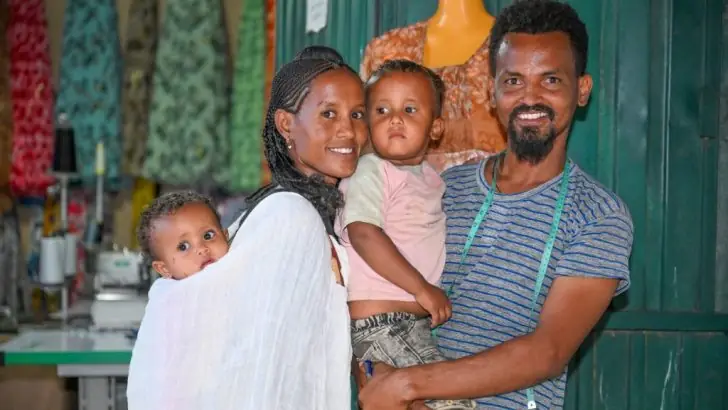
That belief may sound naïve, but it is the core of their survival.
Zumra Nuru, now in his late 70s, was forced to flee to Addis Ababa for safety. Yet his message has not changed. Peace, he says, is not weakness. It is discipline. It is choosing restraint when revenge feels easier.
Others in the village echo this view. They see violence as a cycle that only feeds itself. Their refusal to fight is not passive. It is deliberate. It is a daily act of resistance in a region flooded with guns.
However, Arwa Amba is not alone in believing local action matters. Across Ethiopia, community-led peace projects are quietly making progress. One example is the MELA for Peace initiative, which works in both Amhara and Oromia.