
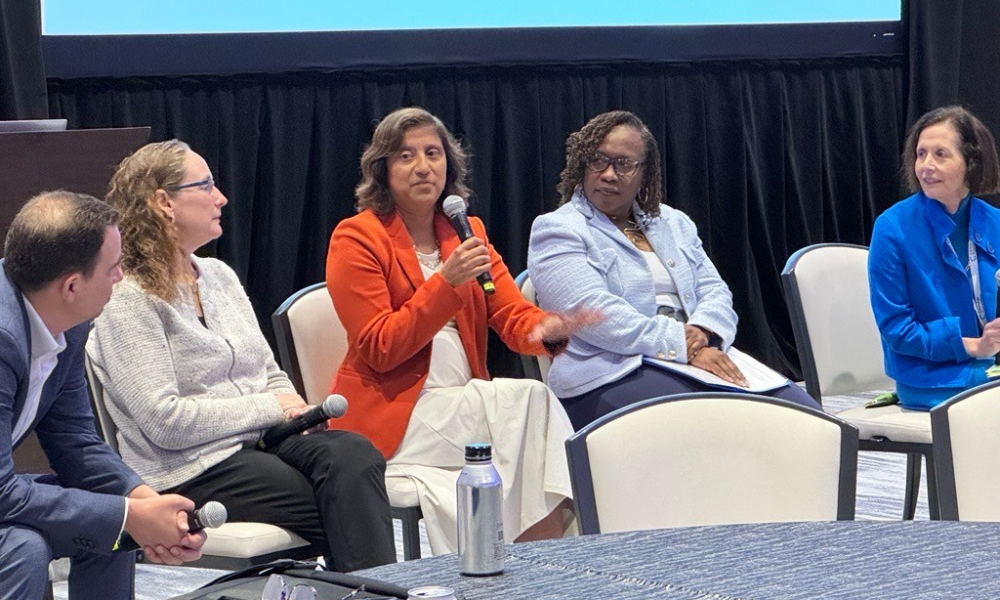
Foundations Launch Nationwide Campaign to Disprove Fraud and Partisanship Allegations
America’s charitable foundations are stepping into the spotlight with a clear message. They want the public to know that their work is not driven by politics, hidden agendas, or fraud. Instead, they say their mission is rooted in supporting communities, funding local solutions, and helping nonprofit organizations address real-world challenges.
That message sits at the heart of a new nationwide effort called “Generosity Builds.” The campaign, launched by the Council on Foundations, comes at a time when the philanthropic sector faces growing criticism from political leaders, activists, and members of the public. Foundation leaders believe many Americans have an inaccurate view of what philanthropy actually does and who benefits from it.
The campaign represents more than a public relations effort. It is also a response to mounting pressure from policymakers and critics who have questioned the role foundations play in American society.
Why Foundations Are Facing Increased Scrutiny
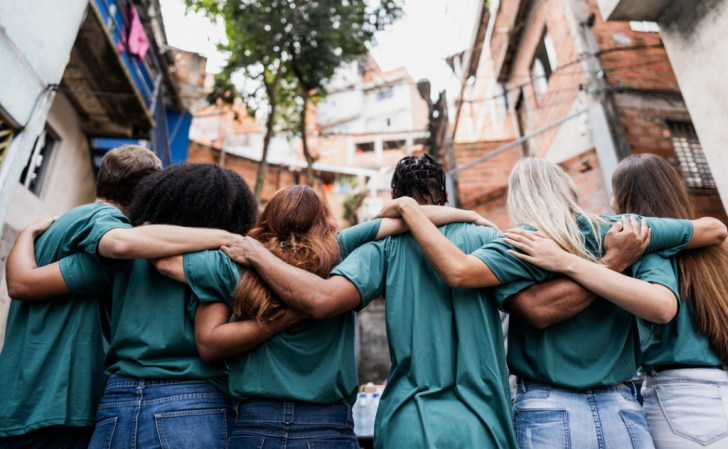
Council / IG / Over the past several years, charitable foundations have found themselves under a brighter political spotlight.
Critics from different parts of the political spectrum have argued that large foundations hold too much influence and operate with limited public accountability.
Some opponents claim that ‘wealthy donors’ use foundations to advance political interests while receiving tax advantages. Others have raised concerns about transparency and questioned how charitable dollars are distributed.
These criticisms have gained traction during debates over government spending and tax policy. During negotiations surrounding major federal tax and spending legislation, some lawmakers proposed additional taxes on private foundations. Supporters of those proposals argued that large charitable organizations should contribute more revenue to the federal government.
Foundation leaders pushed back strongly against those ideas. They argued that additional taxes would reduce the amount of money available for community programs, nonprofit services, and local initiatives.
At the same time, broader political rhetoric has intensified the debate. Government officials and prominent public figures have openly criticized parts of the nonprofit and philanthropic sectors, accusing some organizations of wasteful spending and ideological activism.
The “Generosity Builds” Campaign Aims to Change the Narrative
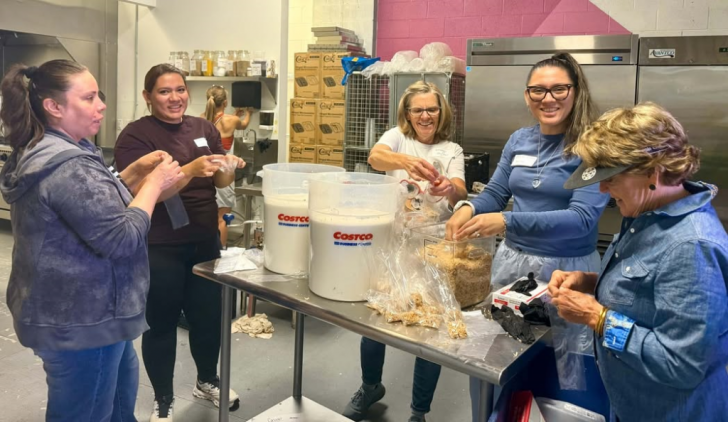
Council / IG / The Council on Foundations believes there is “a significant gap” between public perception and reality.
According to leaders within the organization, many Americans do not fully understand how foundations operate or how often their work affects daily life.
The “Generosity Builds” campaign seeks to close that gap by highlighting stories from communities across the country. Rather than focusing on wealthy donors, the initiative emphasizes partnerships between local organizations, volunteers, community leaders, and charitable institutions.
Foundation leaders argue that money alone rarely creates lasting change. Financial support matters, but relationships, trust, and long-term commitment often play a much larger role in achieving meaningful results.
One reason foundations are changing their messaging is that many Americans may not realize how often they benefit from charitable services. Leaders in the sector believe the public frequently associates philanthropy with billionaire donors and major national institutions. In reality, many charitable efforts operate at the local level and address everyday needs.
The Gulf Coast Community Foundation in Sarasota, Florida, offers one example. The foundation helped support the creation of affordable housing for military veterans through a collaborative effort involving multiple community partners.
A major part of the campaign involves changing who gets recognized as a philanthropist. When people hear the word philanthropy, they often picture billionaires writing large checks. Foundation leaders want to broaden that definition.
More inCommunity
-
`
 Gym Membership vs. Home Gym: Which One Is Actually Worth It?
Choosing between a gym membership and a home gym feels simple at first, but it gets complicated fast. Money plays a...
April 16, 2026 -
`
 How a Texas Town Is Redefining Housing for the Vulnerable
A large housing initiative in Ferris, Texas, is drawing attention for its focused approach to homelessness in North Texas. Located about...
April 9, 2026 -
`
 How an Unfamiliar Mind Shapes Perception, Relationships, and Daily Life
Moments often pass without notice, leaving a quiet question behind: Where did the time go? The concept of a beginner’s mind...
April 3, 2026 -
`
 Why These Popular Colorado Food Spots Are Worth a Visit!
Colorado makes it easy to plan an entire day around food. The state serves bold flavors, strange themes, and dining rooms...
March 27, 2026 -
`
 Rockstar Billy Idol Is Opening Up About Fatal Overdose in New Documentary
Billy Idol built his legend on attitude, leather, and loud guitars. The pop icon, now 70, became one of the defining...
March 19, 2026 -
`
 Why Saranac Lake’s Iconic Ice Palace Was Canceled This Year
For more than a century, winter in Saranac Lake meant one thing above all else. The Ice Palace rose from the...
March 13, 2026 -
`
 How to Manage Overwhelming Emotions? A Step-by-Step Guide
When your feelings feel too big to handle, it can be scary and confusing. Intense waves of rage, panic, grief, or...
March 7, 2026 -
`
 5 Reasons Why Japan Is a Must-Visit Destination for Alaskans
For many Alaskans, Japan feels far away on the map. The flight is long, and the culture seems worlds apart. Yet...
February 26, 2026 -
`
 Ice-T Looks Back at His Towering Career & Explains the Term “OG.”
Ice-T never set out to become a legend. The iconic rapper, 67, just wanted to survive, speak his truth, and make...
February 21, 2026
More From MilitaryBud
-
 The 2026 US Open Menu Is Packed With French Dips, Caviar Nuggets and the Honey Deuce: A Closer Look
The 2026 US Open is already giving New York another packed summer of tennis, noise, celebrity sightings, and late-night matches. The...
Food AdventuresSeptember 11, 2026 -
 U.S. Consumers Shift Spending Amid ‘K-shaped’ Economy
American consumers have not stopped spending, but they are becoming far more selective about where their money goes. Behind that change...
LifestyleSeptember 3, 2026 -
 Wendy’s Worker Asked to Eat on a Stranger’s Porch – It Changed Both Their Lives
A Wendy’s worker needed somewhere quiet to eat lunch after a rough day. A Florida homeowner gave her permission to sit...
CommunityAugust 26, 2026 -
 2026 AM/NS India Times Critical Thinking Championship Aims to Equip 1 Million Students with Essential 21st-Century Skills
Knowing the right answer matters in school, but knowing how to reach that answer matters even more. The AM/NS India Times...
Open Your MindAugust 20, 2026 -
 Bethenny Frankel Turns Her Viral “Supermodel Snacks” Into a Real Cafe Experience
Bethenny Frankel is taking one of her biggest social media successes beyond the screen. The entrepreneur and television personality is opening...
Food AdventuresAugust 12, 2026
You must be logged in to post a comment Login