America’s charitable foundations are stepping into the spotlight with a clear message. They want the public to know that their work is not driven by politics, hidden agendas, or fraud. Instead, they say their mission is rooted in supporting communities, funding local solutions, and helping nonprofit organizations address real-world challenges.
That message sits at the heart of a new nationwide effort called “Generosity Builds.” The campaign, launched by the Council on Foundations, comes at a time when the philanthropic sector faces growing criticism from political leaders, activists, and members of the public. Foundation leaders believe many Americans have an inaccurate view of what philanthropy actually does and who benefits from it.
The campaign represents more than a public relations effort. It is also a response to mounting pressure from policymakers and critics who have questioned the role foundations play in American society.
Why Foundations Are Facing Increased Scrutiny
Critics from different parts of the political spectrum have argued that large foundations hold too much influence and operate with limited public accountability.
Some opponents claim that ‘wealthy donors’ use foundations to advance political interests while receiving tax advantages. Others have raised concerns about transparency and questioned how charitable dollars are distributed.
These criticisms have gained traction during debates over government spending and tax policy. During negotiations surrounding major federal tax and spending legislation, some lawmakers proposed additional taxes on private foundations. Supporters of those proposals argued that large charitable organizations should contribute more revenue to the federal government.
Foundation leaders pushed back strongly against those ideas. They argued that additional taxes would reduce the amount of money available for community programs, nonprofit services, and local initiatives.
At the same time, broader political rhetoric has intensified the debate. Government officials and prominent public figures have openly criticized parts of the nonprofit and philanthropic sectors, accusing some organizations of wasteful spending and ideological activism.
The “Generosity Builds” Campaign Aims to Change the Narrative
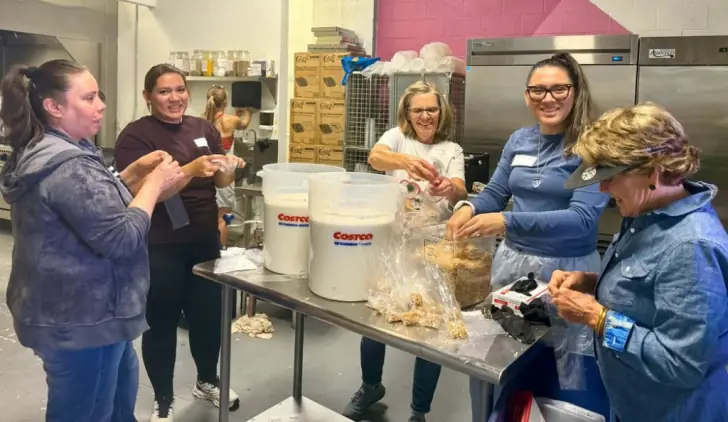
According to leaders within the organization, many Americans do not fully understand how foundations operate or how often their work affects daily life.
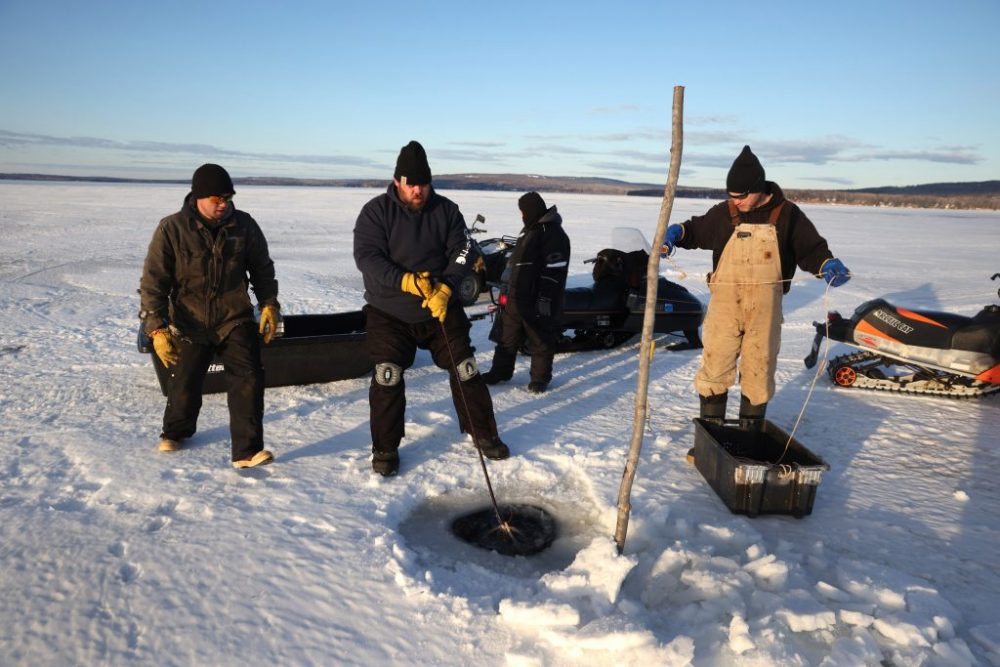
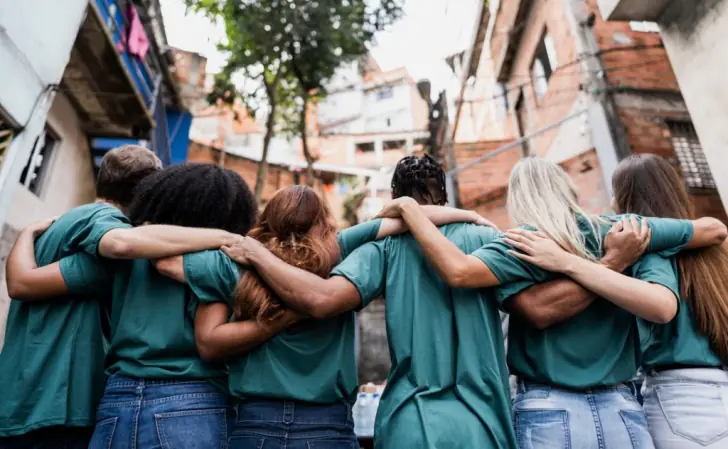
The “Generosity Builds” campaign seeks to close that gap by highlighting stories from communities across the country. Rather than focusing on wealthy donors, the initiative emphasizes partnerships between local organizations, volunteers, community leaders, and charitable institutions.
Foundation leaders argue that money alone rarely creates lasting change. Financial support matters, but relationships, trust, and long-term commitment often play a much larger role in achieving meaningful results.
One reason foundations are changing their messaging is that many Americans may not realize how often they benefit from charitable services. Leaders in the sector believe the public frequently associates philanthropy with billionaire donors and major national institutions. In reality, many charitable efforts operate at the local level and address everyday needs.
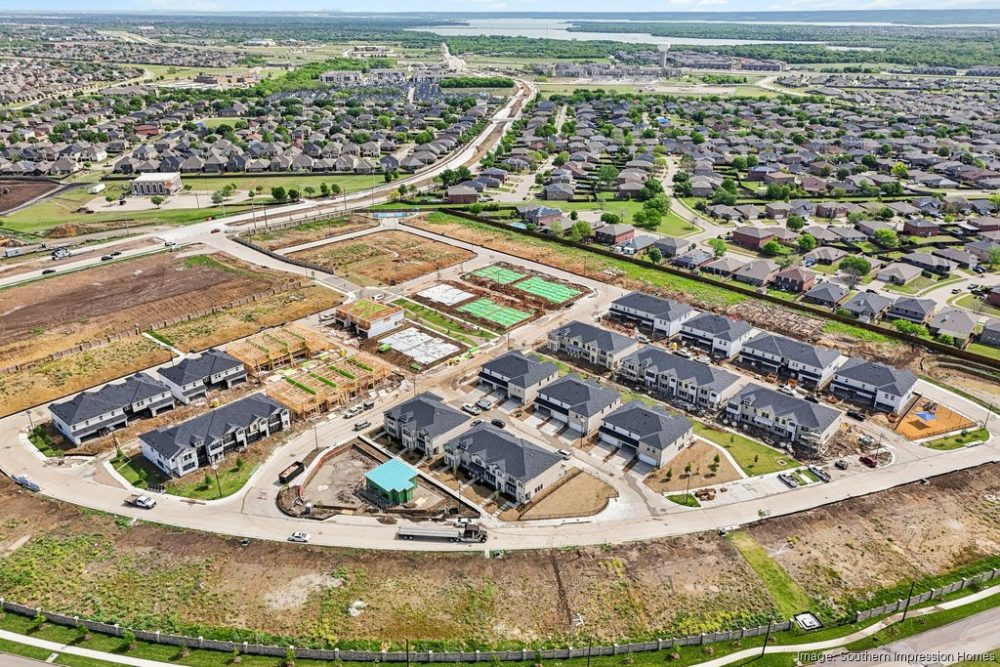
The Gulf Coast Community Foundation in Sarasota, Florida, offers one example. The foundation helped support the creation of affordable housing for military veterans through a collaborative effort involving multiple community partners.
A major part of the campaign involves changing who gets recognized as a philanthropist. When people hear the word philanthropy, they often picture billionaires writing large checks. Foundation leaders want to broaden that definition.