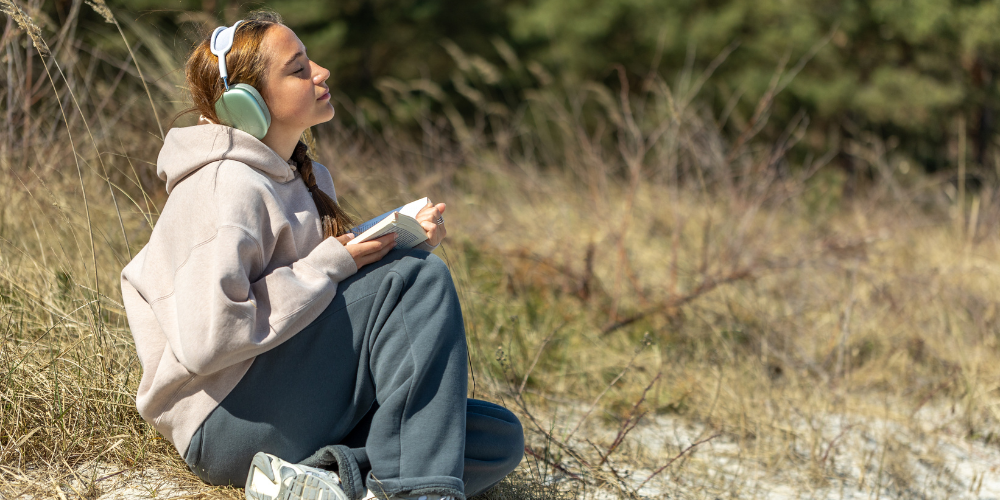
Ask people if they are open-minded, and most will answer with a confident yes. Few individuals see themselves as stubborn, biased, or unwilling to consider new ideas. Being open-minded is widely viewed as a positive trait, so it naturally becomes part of how people describe themselves.
The problem is that self-perception and reality do not always match.
Psychologists have spent decades studying how people process information, form opinions, and respond to disagreement. Again and again, research has revealed a surprising pattern. Most people are far less open-minded than they believe.
However, that does not mean people are intentionally dishonest. In many cases, the gap exists because the human brain is designed to protect existing beliefs. New information feels less like an opportunity to learn and more like a challenge to identity. As a result, genuine open-mindedness turns out to be one of the most difficult thinking skills to master.
Your Brain Loves Existing Beliefs

The concept is simple. People tend to process information in ways that support conclusions they already hold. Instead of examining evidence with complete neutrality, the brain often searches for reasons to defend familiar viewpoints. This process usually happens without conscious awareness.
Most individuals assume they are evaluating facts objectively. In reality, they may be giving greater weight to information that supports their beliefs while dismissing information that creates discomfort.
A striking example emerged from a study involving more than 2,400 educated adults. Participants were presented with opportunities to engage with arguments that challenged their views on controversial topics. Many people were even offered money to examine opposing perspectives.
Surprisingly, a significant number chose to avoid the information altogether. Protecting existing beliefs proved more attractive than earning a reward. The findings reveal an uncomfortable truth. Intellectual curiosity often loses to psychological comfort.
The Dangerous Illusion of Being Right
Another major barrier to open-mindedness comes from a psychological phenomenon known as ‘naive realism.’ The term describes the tendency to believe that we see the world exactly as it is. According to this mindset, our opinions are based on facts and reason, while people who disagree must be uninformed, biased, or irrational.
When people assume their perspective is the objective truth, alternative viewpoints become easier to dismiss. Disagreement feels less like a difference in interpretation and more like evidence that someone else is wrong. This creates a false sense of certainty.
Instead of questioning assumptions, people become increasingly confident in them. The result is a mental environment where learning becomes difficult. Research suggests that awareness of naive realism can help reduce its influence. When people recognize that perception is filtered through personal experiences, they often become more willing to consider alternative explanations.
In other words, open-mindedness grows through practice rather than theory.
Experts Aren’t the Most Open-minded Thinkers Either

Specialists often develop highly detailed knowledge within a specific field. That expertise provides valuable insight, but it can also encourage rigid thinking. When individuals become deeply invested in a particular framework, contradictory information may feel threatening.
Instead of adjusting conclusions, experts sometimes search for evidence that supports existing theories. This pattern emerged in a famous long-term study of geopolitical forecasting.
Researchers found that highly specialized experts frequently performed worse at predicting future events than broader thinkers with more diverse knowledge. The most successful forecasters were nicknamed “foxes.”
Unlike specialists focused on a single explanation, these individuals explored multiple possibilities and remained comfortable with uncertainty. Foxes constantly test their assumptions. They searched for conflicting evidence and updated opinions when circumstances changed. That flexibility proved more valuable than unwavering confidence.